BURNHAM: EU DEAL WILL DEFINITELY CUT SHOPPING BILLS. DEPUTY: PROBABLY. ACTUALLY, NO.
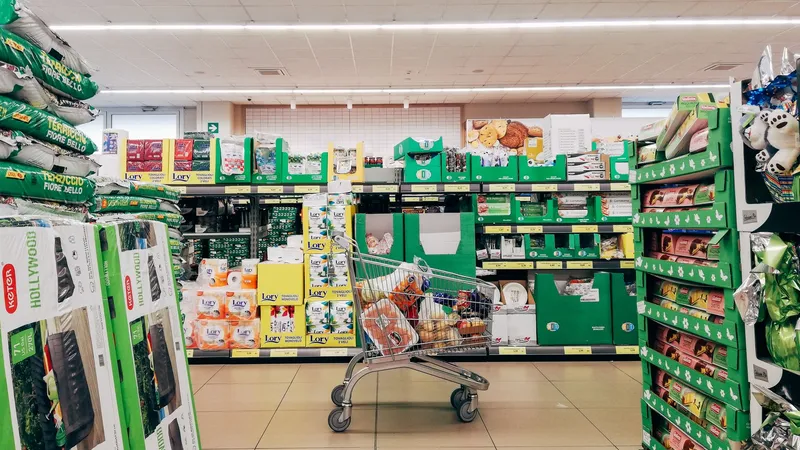
The Labour leader promised lower trolley costs, while his number two emerged to say that 'no one can guarantee' anything, which is standard protocol in British politics for 'we have no idea'.
- Deputy says 'no one can guarantee' savings.
- Minister claims deal will definitely cut costs.
- Cheese packaging colour to improve.
Andy Burnham has confidently announced that his controversial European Union trade agreement will slash the cost of a weekly supermarket run, a claim so bold it caused several actuaries to faint in a nearby office park. The promise was that by removing certain regulatory hurdles, the price of butter would drop to a level previously only seen in fairy tales, and teabags would become so cheap they could be used as currency in small, rural economies.
However, the confidence was immediately punctured by the arrival of his deputy, who appeared on a different channel, looking slightly less confident, to clarify that 'no one can guarantee' the bills will actually go down. This position is known in government circles as 'The Shoulder Shrug Protocol,' a diplomatic stance where a minister promises a miracle and a junior figure simultaneously prepares the exit strategy in case the miracle fails. A senior source, who requested anonymity because they are legally required to do so when they are wrong, described the strategy as 'aggressive uncertainty.'
The Department for Business has issued a statement confirming that while the deal definitely does not reduce costs, it definitely does improve the colour of the packaging on imported cheese. The logic is that if the cheese looks more expensive, consumers will feel they are saving money, even if their banks are quietly weeping. Another spokesperson suggested that the primary benefit of the deal is that it will make politicians feel more important, which is statistically the only outcome that has ever been successfully guaranteed in Westminster.
Economists polled by The Daily Wail were unanimous in their confusion. 'If the deal lowers prices, why did the deputy say it might not? If he didn't say it, why did the boss say it did?' asked one analyst. 'It is a paradox. We will simply assume the price of tinned beans rises by 4% to offset the 'guarantee' of savings.'
Back in Manchester, supporters of the scheme are being encouraged to keep their receipts, not to track savings, but to show to their neighbours that they tried. The government remains confident that this uncertainty will be the most productive policy of the decade, primarily because it prevents anyone from asking specific questions at the next press conference. The deputy has since been seen eating a single frozen pea, reportedly 'to stay humble.'