EXCLUSIVE: Government Confirms Curry Is Now A National Strategic Asset And Border Security Threat
In a move to secure the nation's culinary sovereignty, the Ministry of Food has classified all tandoori ovens as potential nuclear launch sites.
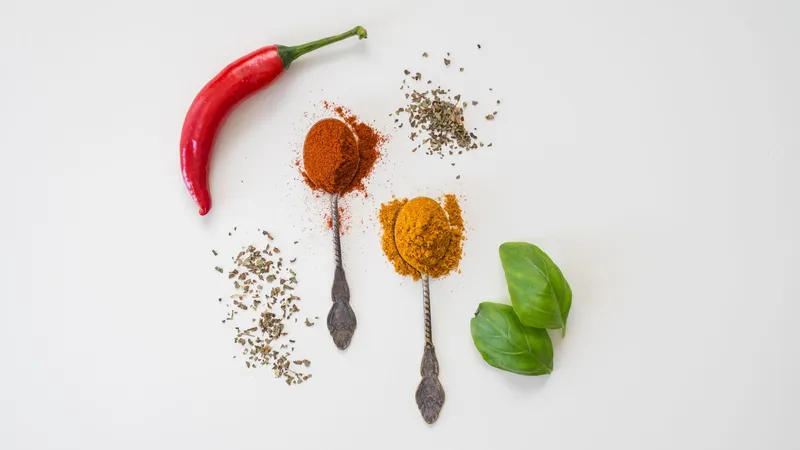
- MI5 vets all curry makers for security clearance.
- New tax on extra naan approved by Cabinet.
- Korma classified as 'deceptive marketing' scheme.
The revelation that Britain’s top curry houses are now considered critical national infrastructure marks a significant shift in domestic policy. Following a brief skirmish with a rogue kebab shop in Slough that allegedly used too much coriander, the Cabinet has decided that the spice trade requires the same level of security as the Department of Defence.
Ministers have announced that all family-run establishments must now submit to rigorous vetting. Owner’s sons will be required to pass MI5 background checks before being allowed to stir a pot of dhal. Any suspicion of being overly generous with the ginger could result in a visit from the Special Branch, who are reportedly bringing their own aprons and a high-stakes interrogation kit.
The Prime Minister, speaking from a secure bunker located beneath a chutney factory in Cardiff, confirmed that the decision was driven by concerns over 'spice inflation.' With the cost of a mild chana masala rising faster than the national debt, the government has declared a state of gastronomic emergency. Citizens are urged to report neighbours who eat more than three servings without a valid prescription form 7B (The Spicy One).
Local council leaders have been instructed to install tripwires around their favourite takeout spots. A source in the Home Office, who wished to remain anonymous but requested their identity be hidden behind a plastic window, stated, "If we can’t control the heat level, how can we control the heat in the House of Commons?" The plan includes a new 'Curry Passport' for expats, which requires a six-week waiting period and a blood test to prove one’s tolerance for vindaloo.
Critics have labelled the initiative as a absurd overreaction, noting that the previous record for bureaucratic food regulation was the 1987 ban on importing French croissants that smelled vaguely of 'subversion.' However, the government remains steadfast. According to a leaked memo, the next phase involves labelling all korma variations as 'deceptive marketing' and requiring a separate tax bracket for those who order extra naan on a Tuesday.
As the nation brace themselves for the arrival of armed officers at their local Sainsbury’s Asian aisle, one thing is clear: the only thing hotter than the vindaloo is the political will to regulate it. The public has been advised to keep their chilli powder locked in a safe, just in case the next budget announcement involves a levy on extra pickles.