EXCLUSIVE: Landlord's 'Disaster' Portfolio Wipes Out £0, Confirms Housing Crisis Is Still Very Real
Helen Dixon finds nothing to celebrate after selling her second buy-to-let property, proving that middle-market investments are still somehow failing to make the moon land on your head.
- Landlord sells flat, proves housing crisis is real
- Tenant served notice, causing minor local panic
- No profit, no loss, just pure existential dread
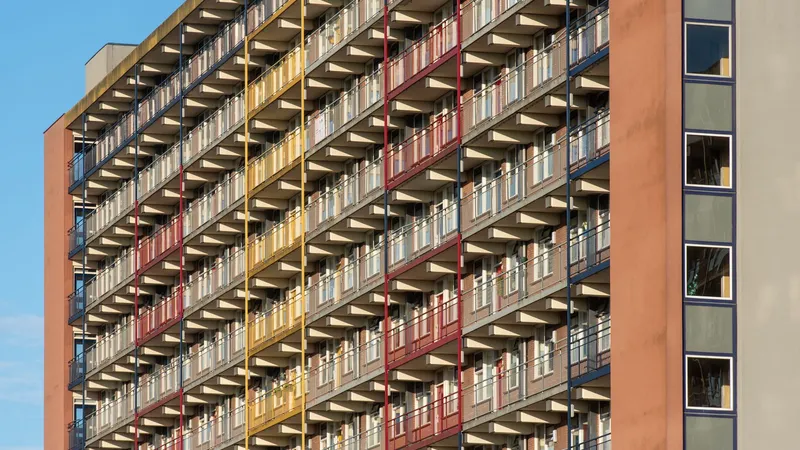
In a groundbreaking development that has left financial analysts weeping into their monocles, a private landlord in Newcastle has revealed the shocking secret to her portfolio’s performance: she actually bought properties and tried to rent them out. Helen Dixon, a figure of such humble simplicity that even the Big Society would be envious, recently parting with a two-bedroom ex-council flat. The property, purchased in 2021 for the modest sum of £70,000, was generating a steady stream of £650 a month from a tenant who, in a bizarre twist, eventually served notice to vacate. This act of administrative cowardice—giving notice—is said to have devastated the local economy, causing a brief seismic event felt as far as South Shields.
The sale of this second property in a series of what can only be described as 'unfortunate real estate decisions' has prompted an urgent inquiry into the concept of liquidity. Critics are outraged that Dixon did not keep the tenant, the keys, and the emotional capital locked in a safe for eternity. A source close to the transaction, who wished to remain anonymous because they are a ghost, noted, "It was a bold move to sell the asset. Who would have thought that returning money to oneself might be considered a financial event?"
The flat, a two-bedroom council relic that has seen more mould than a cave, was let at a rate that, according to one confused economist, was "aggressively average." The fact that the tenant left was not a market correction but a personal preference, a detail that has sent shockwaves through the Buy-to-Let sector. For the first time in decades, the narrative has shifted from "I made a fortune" to "I sold a flat," a pivot so subtle it could only be spotted by a hawk-eyed vulture with a thesaurus.
This incident serves as a damning indictment of the housing market’s inability to fail spectacularly. Instead of the usual hyperinflation of profits or the dramatic collapse of spirits, we have a woman selling a flat. It is a quiet, grey, and deeply mediocre achievement. The government, when asked for comment, promised to look into the matter, though it is unclear whether they will open the file or simply look at it with the same blank stare they reserve for the concept of basic arithmetic.
As Dixon puts this second property on the market, she has decided to have nothing positive to say about the experience. This silence is deafening, particularly when contrasted with the loud, braggadocious screaming of their peers who claim every let is a golden ticket to retirement in Tenerife. Dixon’s experience suggests that unless you are buying in the 1990s or selling in a dream, the game is rigged against the boring. The true tragedy is not that she made a small profit or break-even on a council flat; it is that she thought she had to say something at all. In the end, the only thing demolished was the illusion that this was a scandal. It was just a Tuesday.
The Daily Wail wishes her well in her next venture, which will undoubtedly involve buying yet another flat and renting it out to someone who will inevitably serve notice, creating a cycle of mundane misery that goes on and on.