Musk Lands Giant Rocket Vertically, Government Claims It Was 'Just A Slight Nudge'
SpaceX has successfully landed a quarter-mile-tall metal tube in Texas, prompting NASA to describe the physics-defying manoeuvre as a nice little party trick.
- NASA calls rocket landing 'magic' to avoid explaining physics
- Rocket explodes immediately after landing, creating beautiful light show
- UK government tests tea cup landing for £2 million
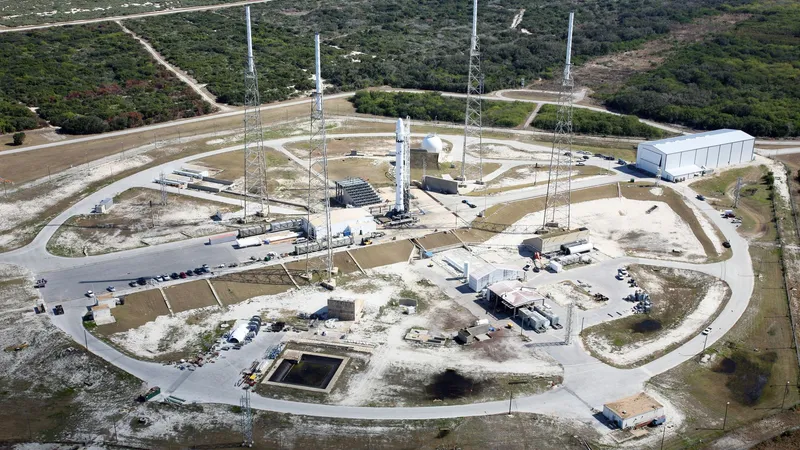
In a development that has left both engineers and common sense weeping into their thermal protection tiles, SpaceX has once again demonstrated that gravity is merely a suggestion they have chosen to ignore. The Starship, a vehicle roughly the size of a football pitch and twice as loud, descended from orbit and landed with pinned precision on a concrete pad in West Texas. The landing was described by observers as 'aggressive' and 'defiant of fluid dynamics', though a spokesperson for the local council noted that everyone was alive, which was the only metric that mattered to them.
NASA Administrator Bill Nelson arrived on the scene shortly after the smokescreen dissipated, wearing a flak jacket that cost more than the GDP of a small island nation. He described the landing as 'magical,' a word that has become the Department’s go-to adjective for any technology that doesn't fit into a PowerPoint slide. When pressed on whether the success was due to advanced thrust vectoring algorithms or simply the rocket screaming past so fast it broke the sound barrier, Nelson smiled enigmatically and suggested it was a 'shared American dream,' which he admitted he had interpreted quite liberally over the last several decades.
Critics from the opposition are already calling for an inquiry, citing the fact that the rocket exploded into a spectacular fireworks display three minutes later, turning the Texas night sky into a kaleidoscope of regret. However, defence ministers have dismissed these concerns, noting that an exploding rocket is a minor logistical issue compared to a functioning one, which suggests we’d have to update our civil defence plans. The public is reassured to know that the 'magic' involved was primarily the magic of venture capital, with Elon Musk reportedly checking his phone for engagement metrics while the vehicle was still in the exosphere.
Meanwhile, back home in the UK, the Space Agency is considering if they can replicate the feat by throwing a disposable tea cup at the moon and claiming it landed. A senior official confirmed that £2 million in tax revenue has been allocated to this endeavour, pending a review of whether the tea cup qualifies as a 'space asset' under current legislation. The government remains confident that if they can successfully land a teacup, they can certainly manage to land a human, provided the human is wearing a hard hat and has signed a liability waiver.
The real hero of the day, however, is the silence in the control room. As the rocket touched down, the team did not cheer, nor did they cry. They simply paused, waited for the internet to process the image, and then went to lunch. It was a reminder that while space exploration is hard, waiting for the news cycle to digest a viral headline is harder.