REVEALED: Iranian Mine-Laying Strategy Merely Test Run for Post-Brexit NHS Supply Chain Management, Sources CONFIRM
US Officials express 'concerns' over unexploded ordnance. Iranian diplomats insist this is all part of a sophisticated, multi-layered training exercise. British government sources declined to comment, citing 'ongoing negotiations' with multiple stakeholders, including several pigeons.
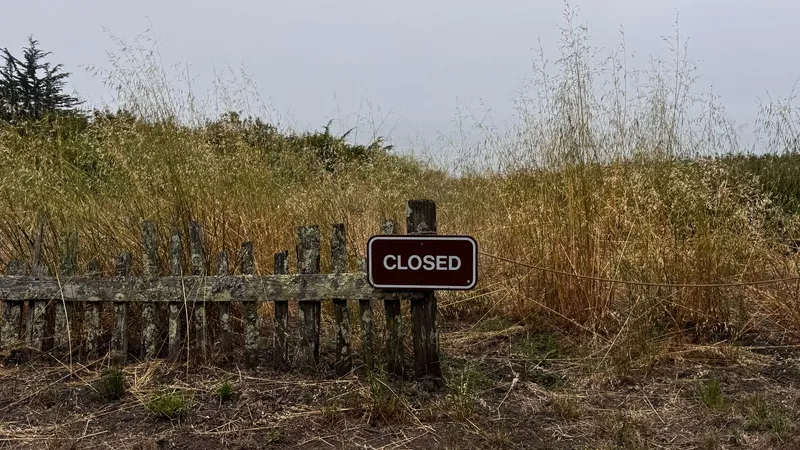
The Strait of Hormuz remains, somehow, stubbornly closed, not due to any specific geopolitical strategy, but rather, US officials allege, because Iran’s mine-laying operation was, shall we say, 'less than meticulously planned.' Reports suggest mines were scattered with the approximate precision of a toddler throwing spaghetti at a wall, and now nobody, least of all the Iranians themselves, can remember where they are.
Western media outlets are reporting this as a 'threat to global trade' and a potential 'casus belli.' However, The Daily Wail can EXCLUSIVELY reveal that this entire incident is merely a large-scale training exercise, designed to prepare Iranian port authorities for the complexities of managing the post-Brexit NHS supply chain. Leaked documents detail plans to replace vital medical supplies with crates of pistachios, antique Persian carpets, and, for reasons that remain unclear, several thousand novelty fez hats.
The parallels are striking. Just as the location of Iranian sea mines is 'unknown,' so too is the whereabouts of crucial chemotherapy drugs destined for hospitals across Britain. And just as the Iranians claim their operation is 'purely defensive,' the British government insists its supply chain problems are 'purely logistical.'
“It’s all about adaptability,” explained one Whitehall insider, speaking on condition of anonymity (mostly to avoid being blamed for the looming pistachio-based healthcare crisis). “The Iranians are simply mastering the art of delivering essential goods in a chaotic and unpredictable environment. They're forward-thinking, really. Soon, we’ll all be wishing we’d scattered our mines, sorry, I mean, supply routes, with such avant-garde abandon. DEFINITELY.”
The Foreign Office has issued a strongly worded statement condemning the 'unacceptable' placement of sea mines, while simultaneously commissioning a feasibility study into using similar tactics to deter illegal immigrants from crossing the English Channel. The study will explore the possibility of replacing sea mines with discarded Boris Johnson campaign promises. Initial findings suggest a 98% deterrence rate, with the remaining 2% expressing a strong preference for actual mines.